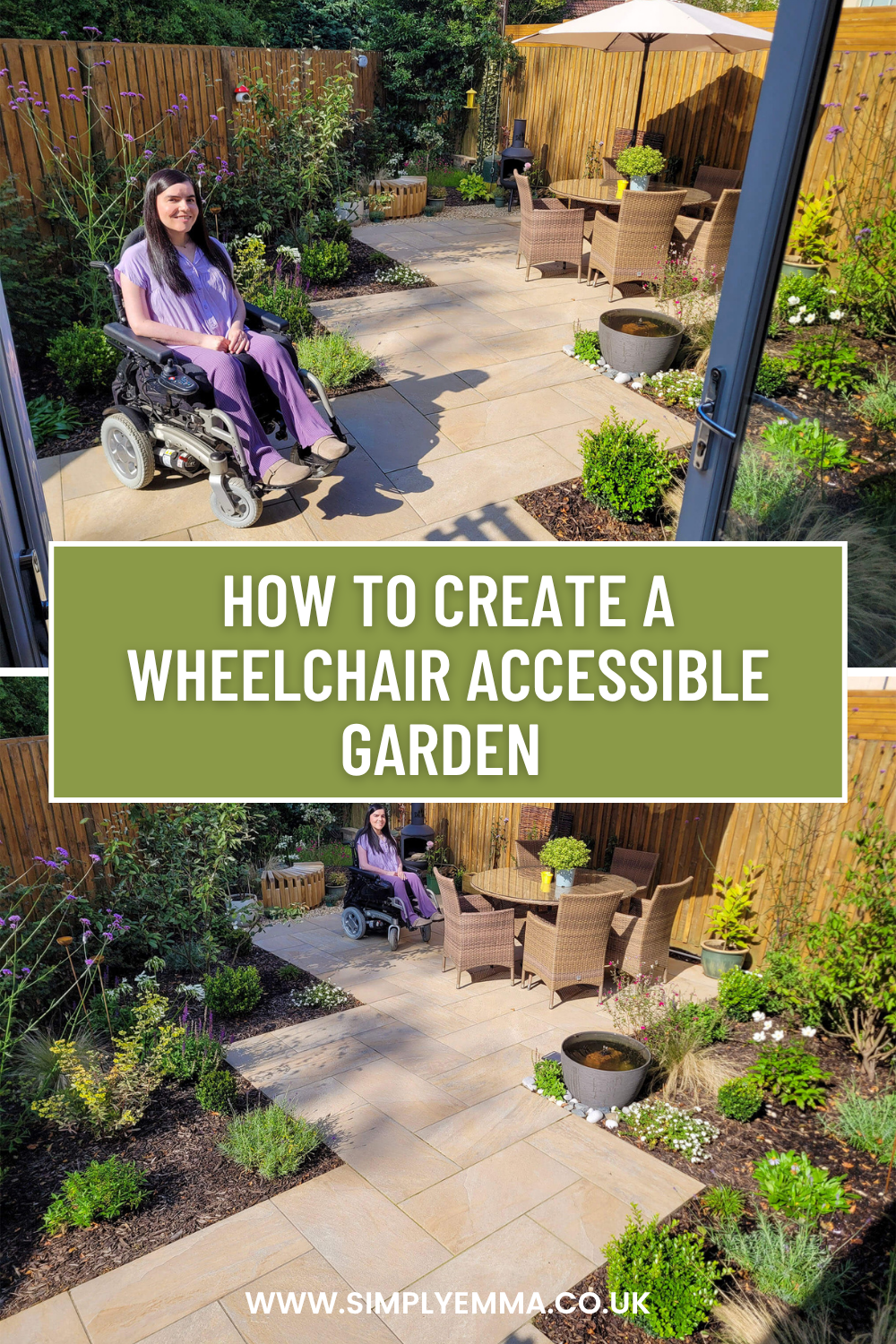
Creating a wheelchair accessible garden has always been our dream. So when we moved to our new home, we were excited to make that a reality. In this post, I’ll share our journey transforming a boring, inaccessible garden into a wheelchair accessible garden where I can easily access and enjoy spending time, surrounded by beautiful plants and flowers.
Our Wheelchair Accessible Garden Design
As some of you may know, my partner and I had been looking to move to a more accessible home for years. I previously shared our struggles with finding a wheelchair accessible home in a blog post in 2021. It’s hard to believe that just a year after that post, we moved into our new home and started adapting it to meet my access needs. We’ve now been in our bungalow for three years and love it.
Keep reading to find out how we transformed our boring, inaccessible garden into a wheelchair accessible green sanctuary. I hope you enjoy the before and after photos.
This was the garden when we moved in…
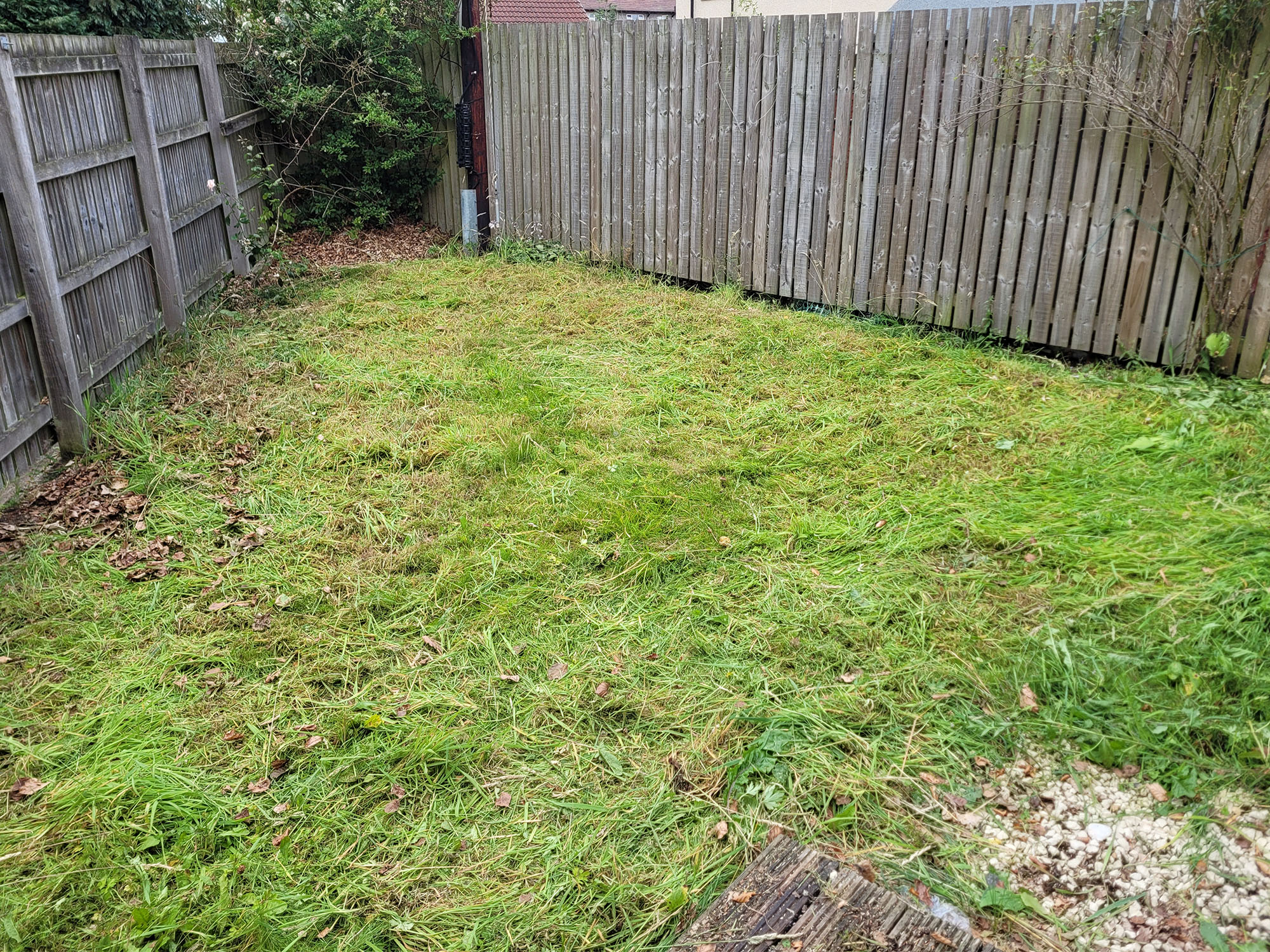
The back garden was one area of our home that needed a lot of work to make it wheelchair accessible. Initially, it only had grass and a small paved area near the patio doors.
I loved that the new garden allowed me to access it independently from the house via the patio doors, unlike our old home, where I needed someone to help me get into the garden by going around the outside of the building and then through the gate.
The only downside to the new garden was that once I came outside through the patio doors, I was restricted to one small paved area by the doors. The paved area was raised higher than the grass, making it the only part of the garden I could access. There wasn’t much space for me to move around, and it was in the shade most of the time. I just felt disconnected whenever we were in the garden and it wasn’t a space I wanted to spend much time in.
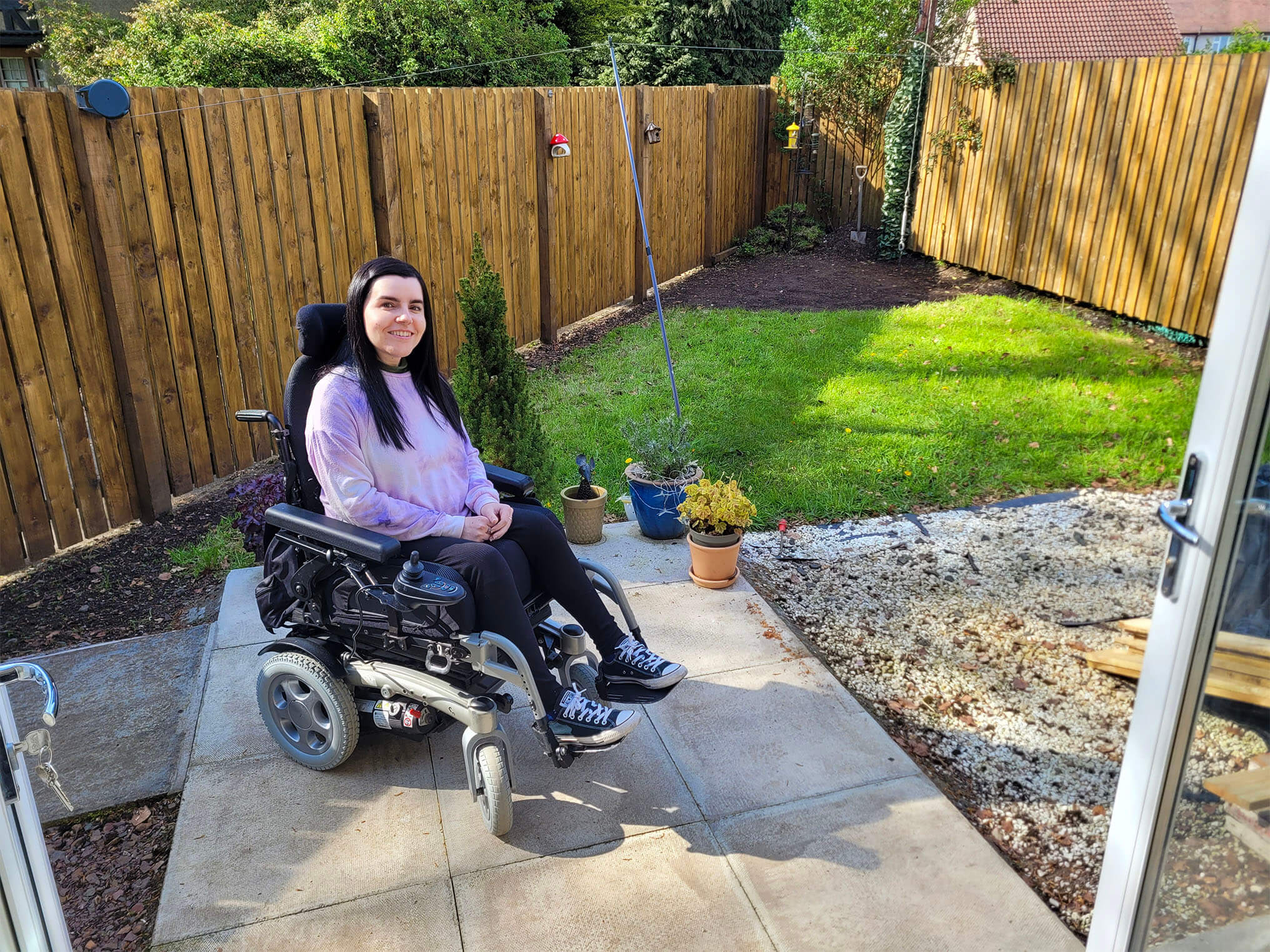
We knew the garden had so much potential to be an amazing space where we could both enjoy and relax, as well as host friends and family for barbecues. But making the garden truly accessible for me would require a lot of creative vision, hard work, and money to spend on it.
For the first 18 months in our new home, we debated the best ways to make the garden wheelchair accessible and noted parts of the garden where it gets sun throughout the year. We drew up designs countless times, but never felt completely certain.
We became addicted to watching every episode of Garden Rescue and Love Your Garden. We felt inspired and learnt so much about plants and garden design with each episode. This reignited our passion for gardening and our excitement for what our new outdoor space could become.
The garden transformations were incredible on every episode, and we often wondered what it would be like if Charlie Dimmock or Alan Titchmarsh were to design our garden. My partner, Allan had a wild idea of reaching out to Alan Titchmarsh in the hope he’d give us some advice. “Yeah, right! Like that was going to happen”, I thought.
To our utter surprise and amazement, he replied and said he would draw up a design for us. We couldn’t believe it. We were shocked, but super excited. Alan asked us for a scale drawing with measurements, the angle of the sun, what we’d be using the garden for, and a few photographs.
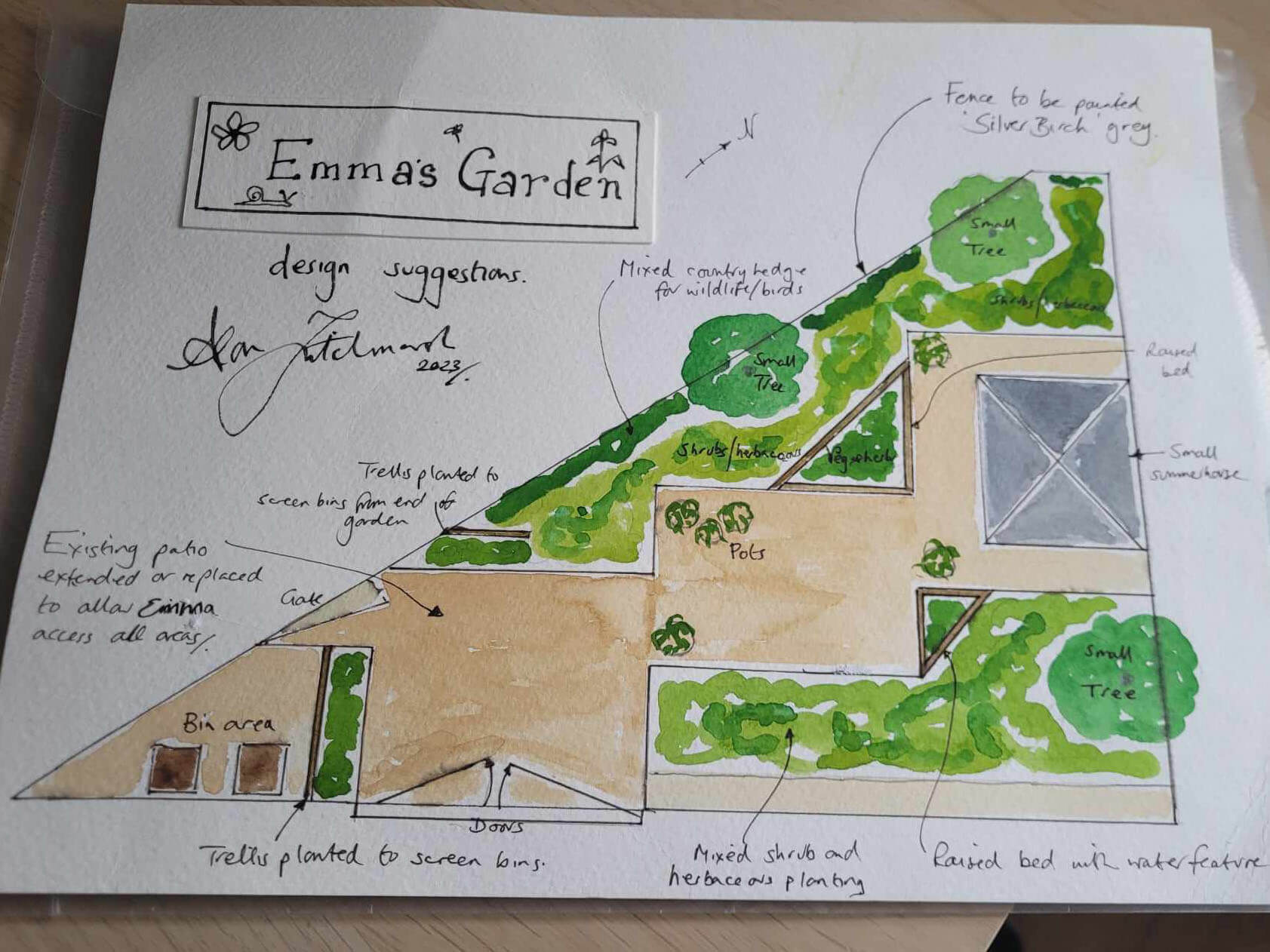
I remember the day we received the email containing the watercolour painting of our new garden from Alan Titchmarsh. It was incredibly exciting. Right away, we loved it and couldn’t wait to bring the drawing to life. Alan had even named it ‘Emma’s Garden’. We were over the moon!
The next six months were spent scouring the internet and every local building merchant looking for paving and trying to decide what colour and style we liked best. I’m the most indecisive person ever, so this was a major task.
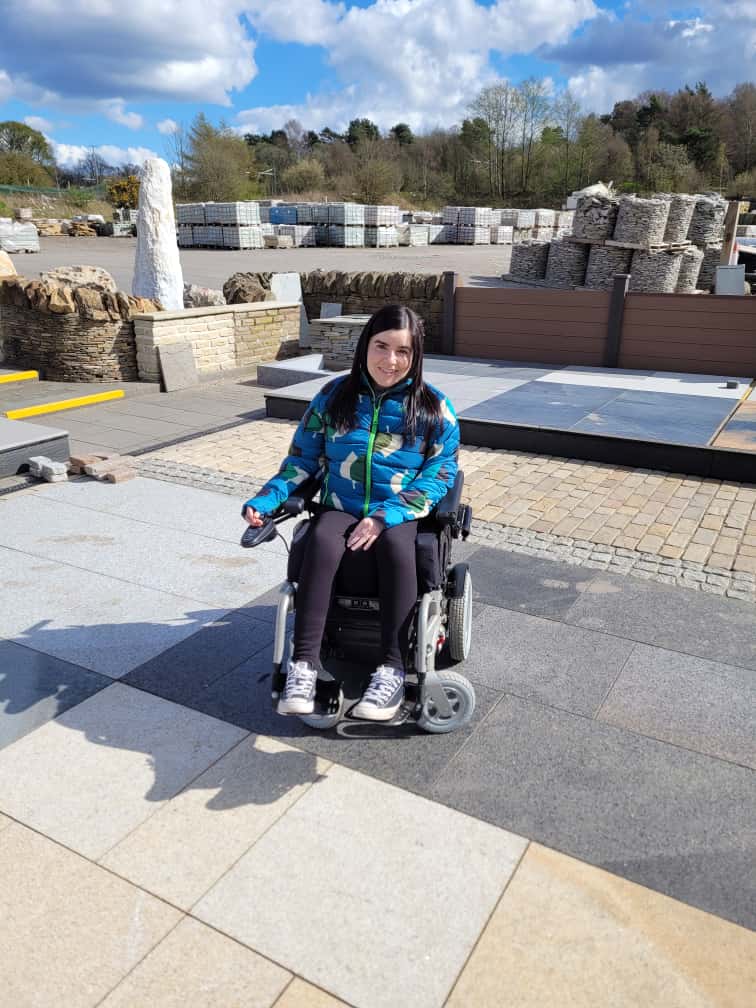
We also used this time to get quotes from landscapers for the work and materials. Some of the quotes were eye-watering. To save as much money as possible, we decided that Allan and his dad could do most of the heavy work to save on labour costs, given that they both have the right skills and have done this sort of work throughout the years.
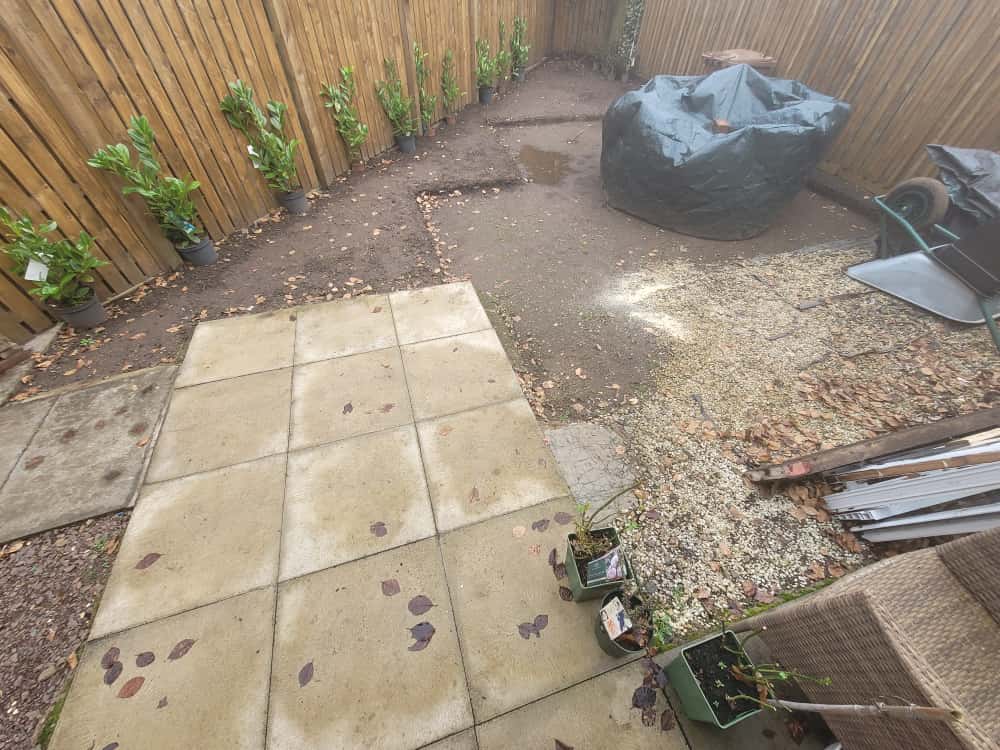
This consisted of Allan and his dad digging and removing tonnes and tonnes (literally) of grass and soil, filling up three skips, and multiple trips to the recycling centre. We reused a lot of the soil for the new planting beds, as well as in our front garden. Allan also dug the foundations for the landscape work. We saved so much money by doing most of this work.
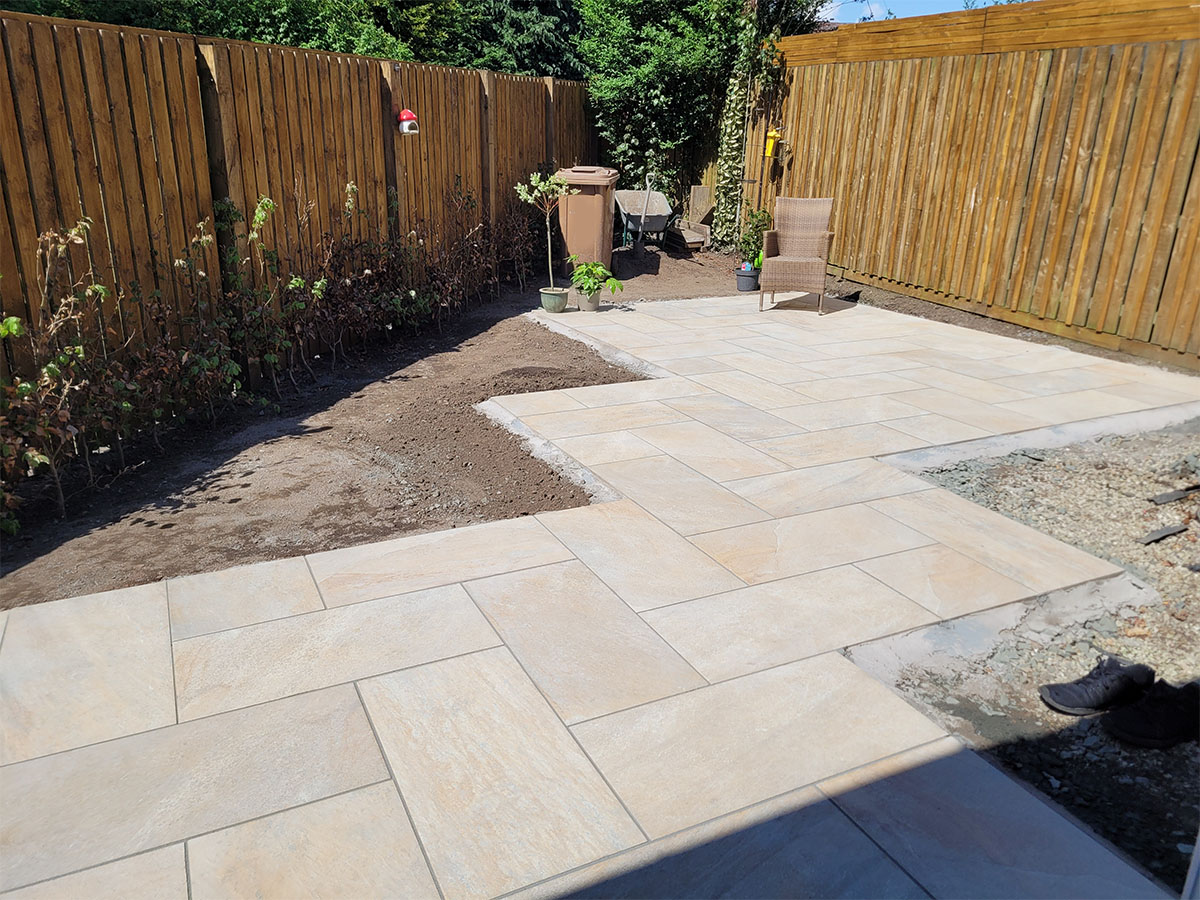
The landscape work was completed in the spring so that we could make full use of the garden in the spring and summer months. We got to work straightaway with planting small trees, shrubs and flowers.
Our Wheelchair Accessible Garden Makeover | After Photos
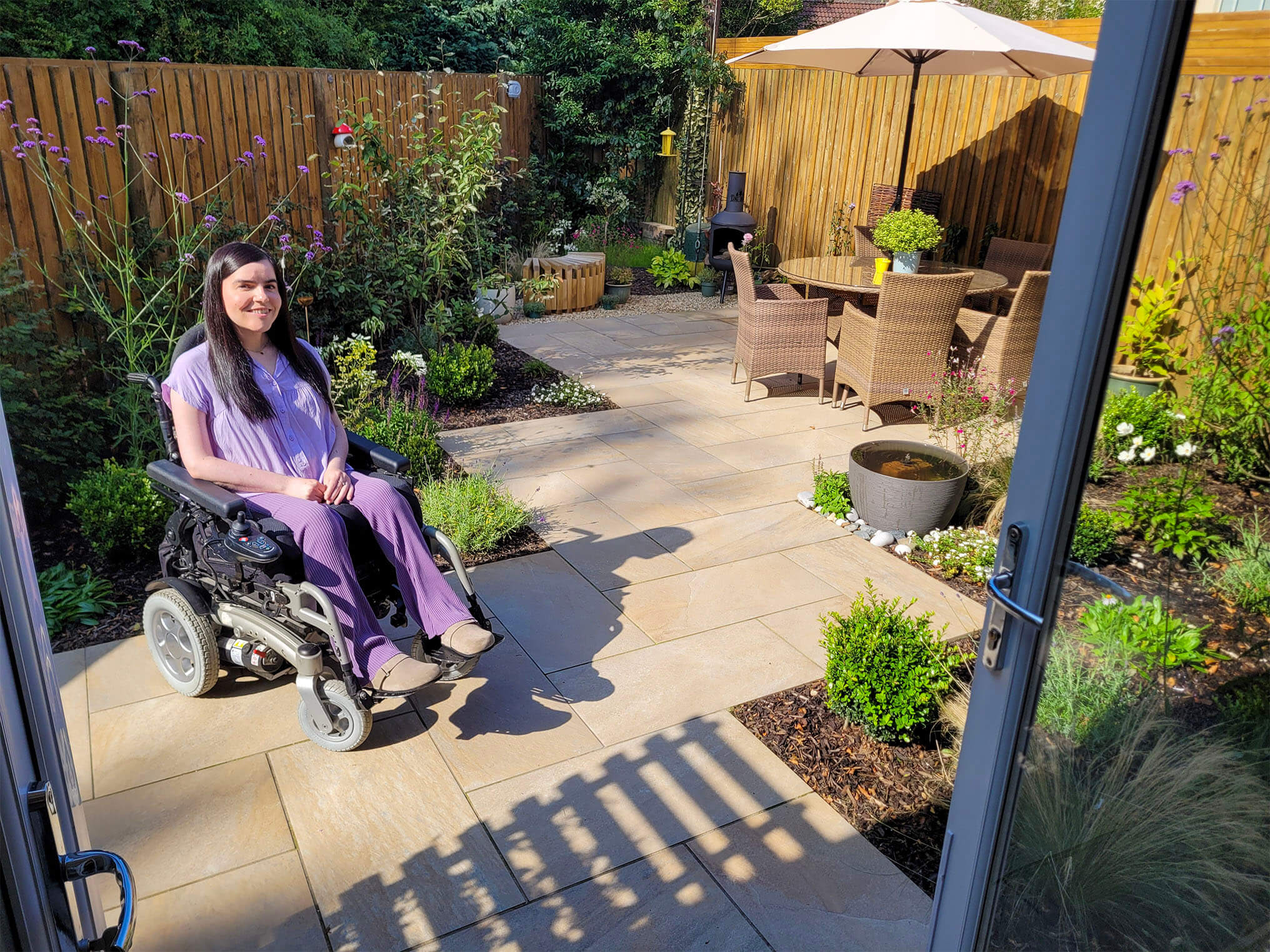
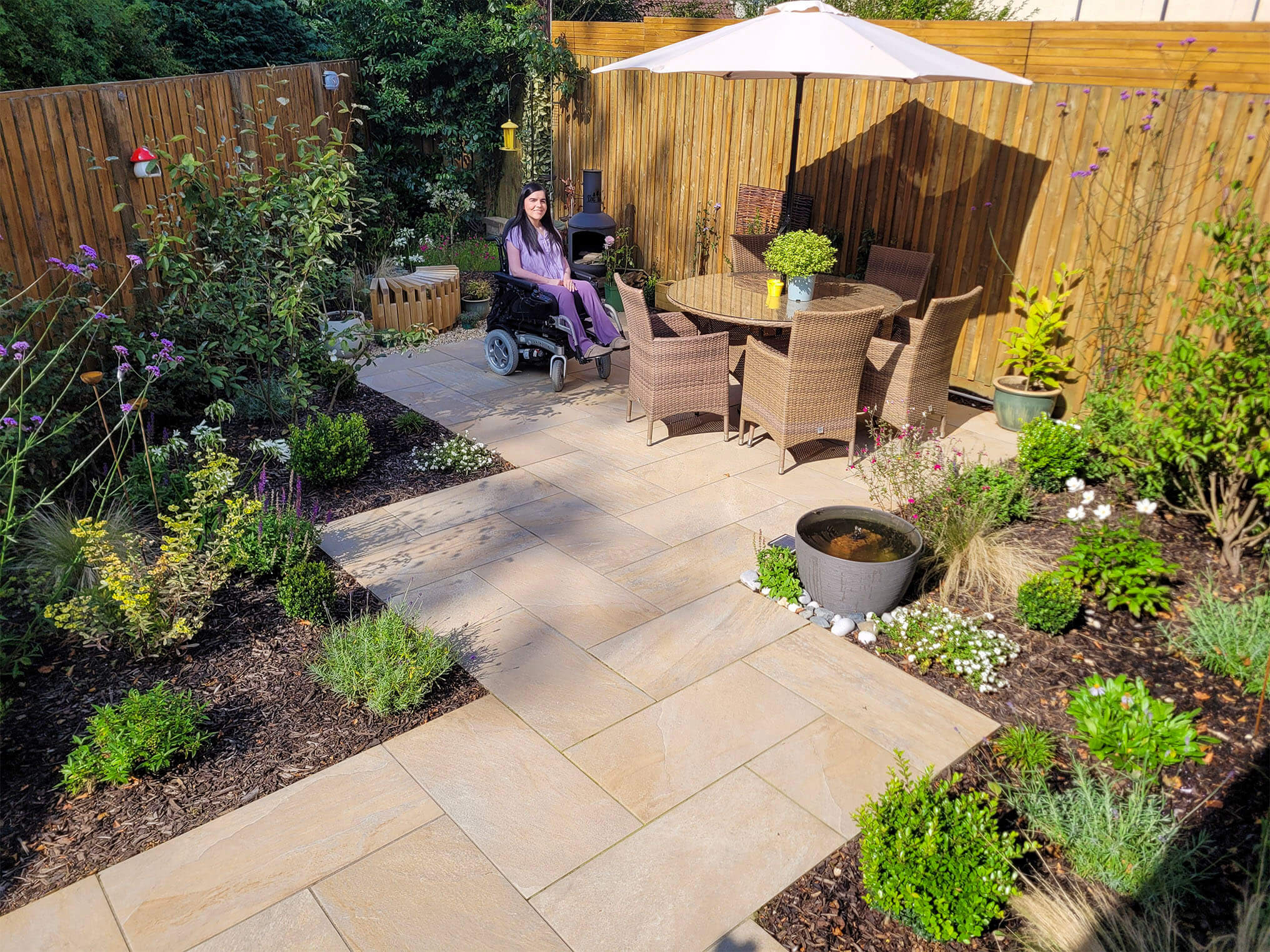
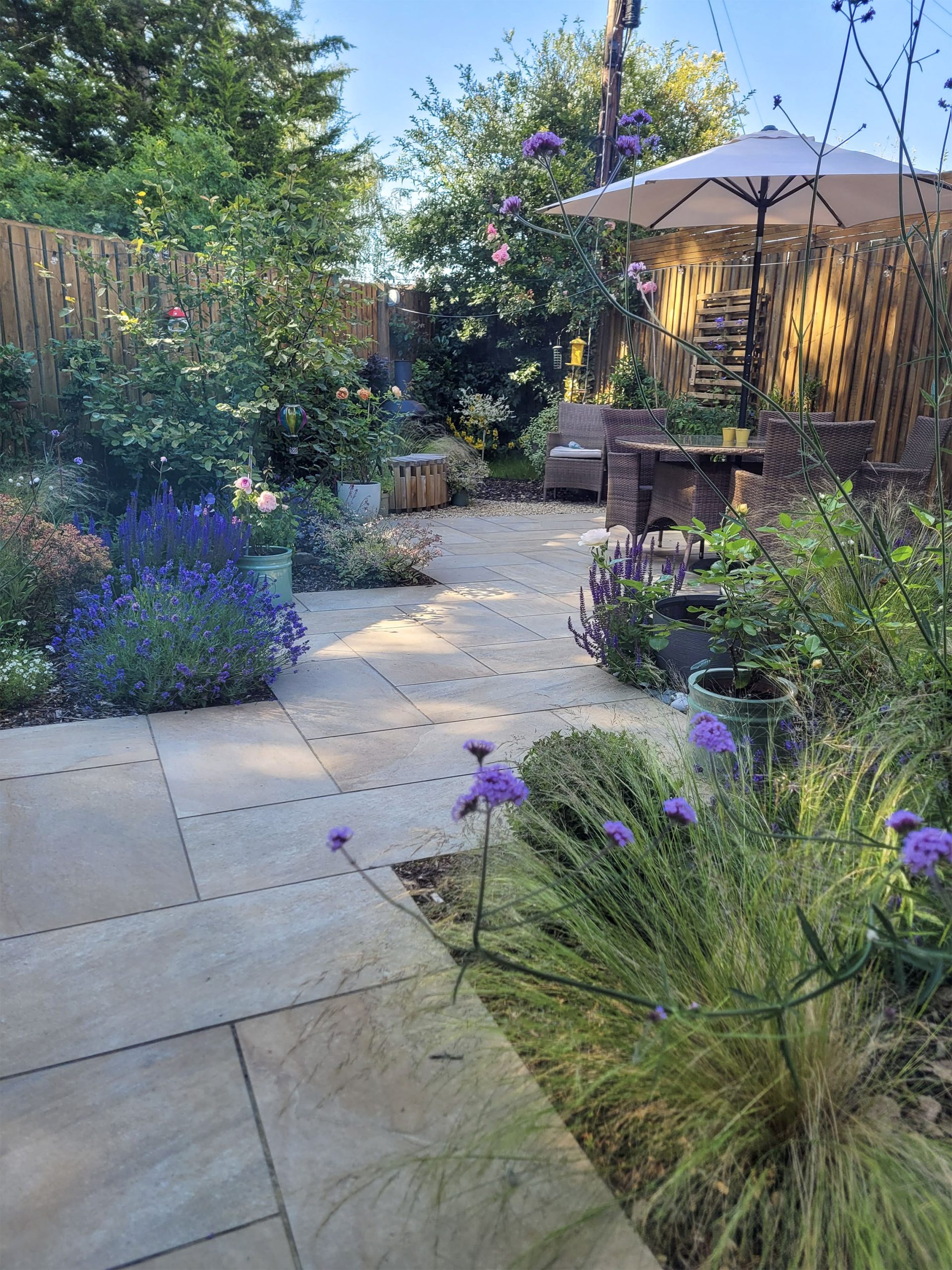
Fast forward two years from our move-in date, and the new garden project was complete. And now, another year on from completion, we have the garden of our dreams. We are still enjoying adding new plants and making it our little sanctuary of green, after what feels like a million trips to the garden centre and a small fortune spent.
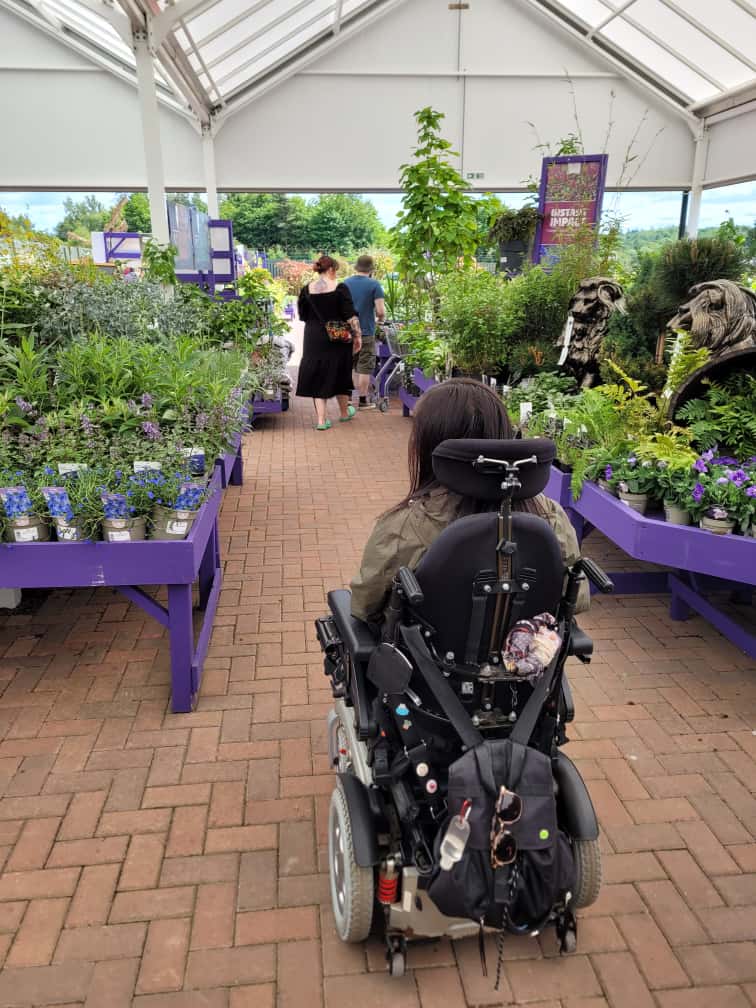
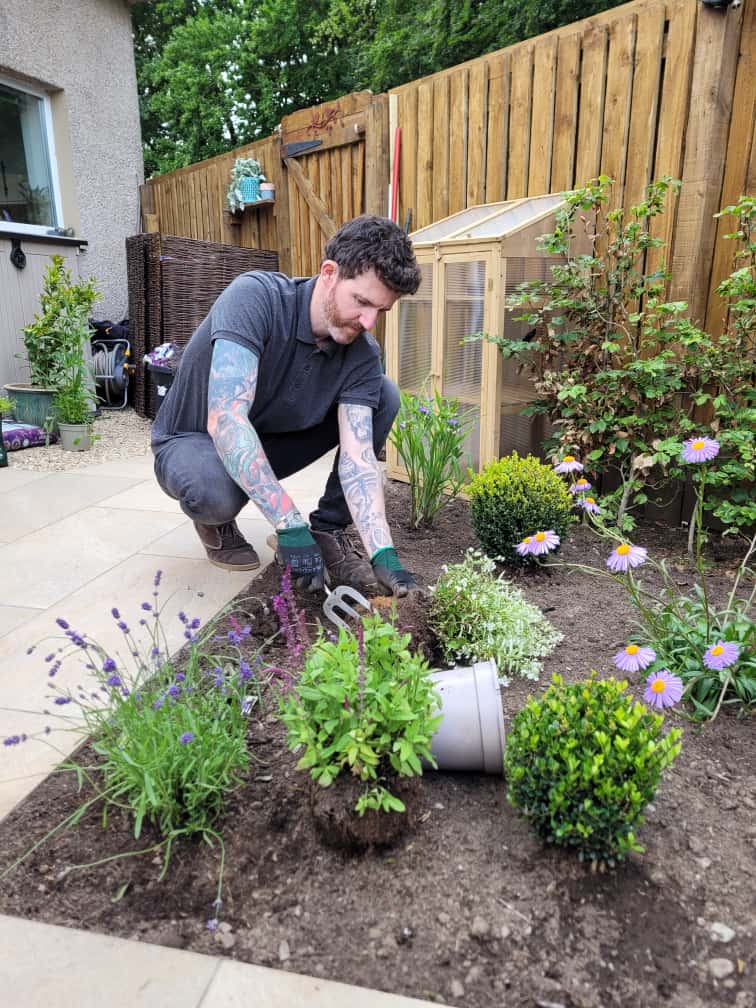
We can’t believe the transformation and how quickly the planting has grown. It’s all come together so nicely, but of course, we’ve made some planting mistakes and learnt a lot along the way. But we have enjoyed all the plant research and learnt what works and doesn’t work. Most of all, we just love being in the garden now.
Growing Fruit and Vegetables
As a child, I fondly remember helping my Gran grow tomatoes in her greenhouse, so it was something I wanted to do when we finally had a garden of our own. So this summer, we set out to grow our own fruit and vegetables, including strawberries, tomatoes and cucumbers.
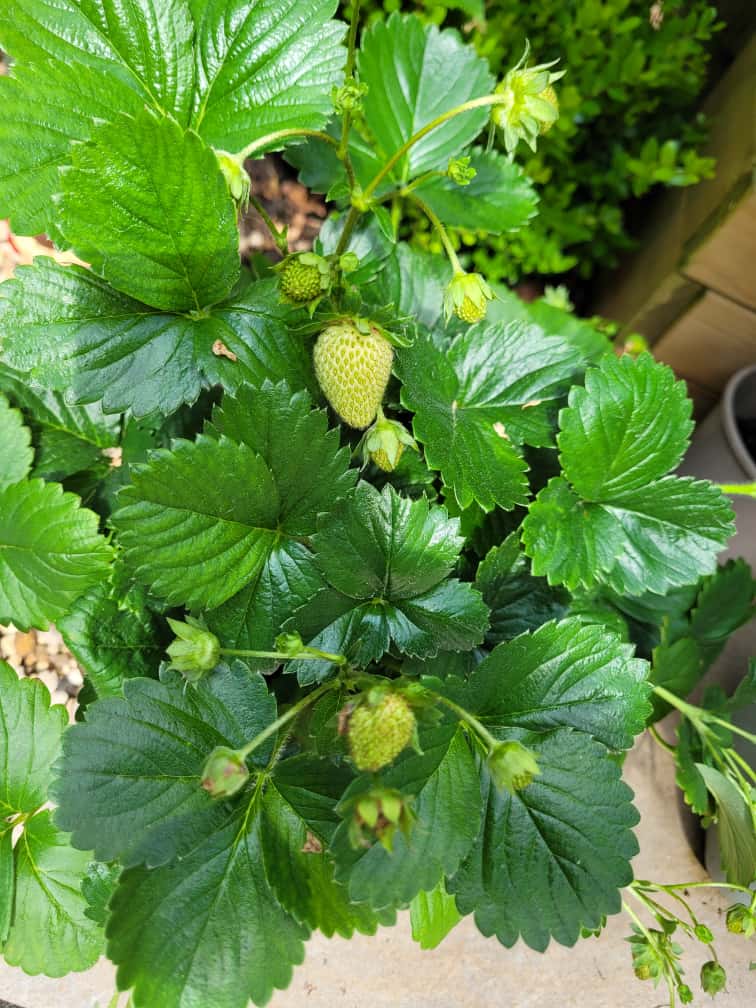
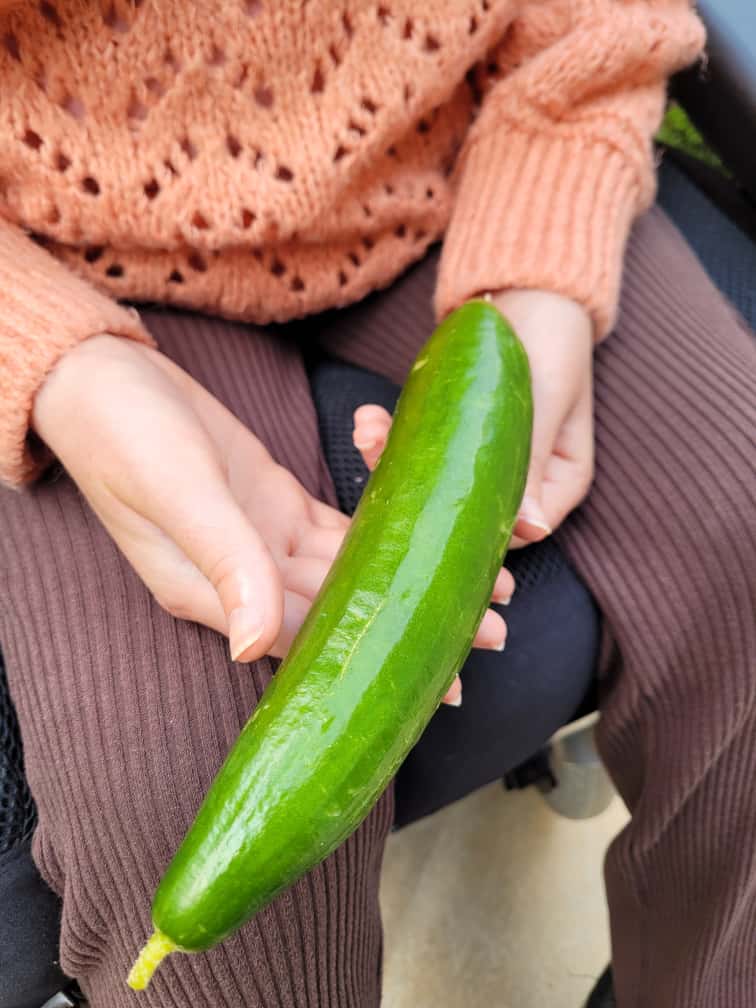
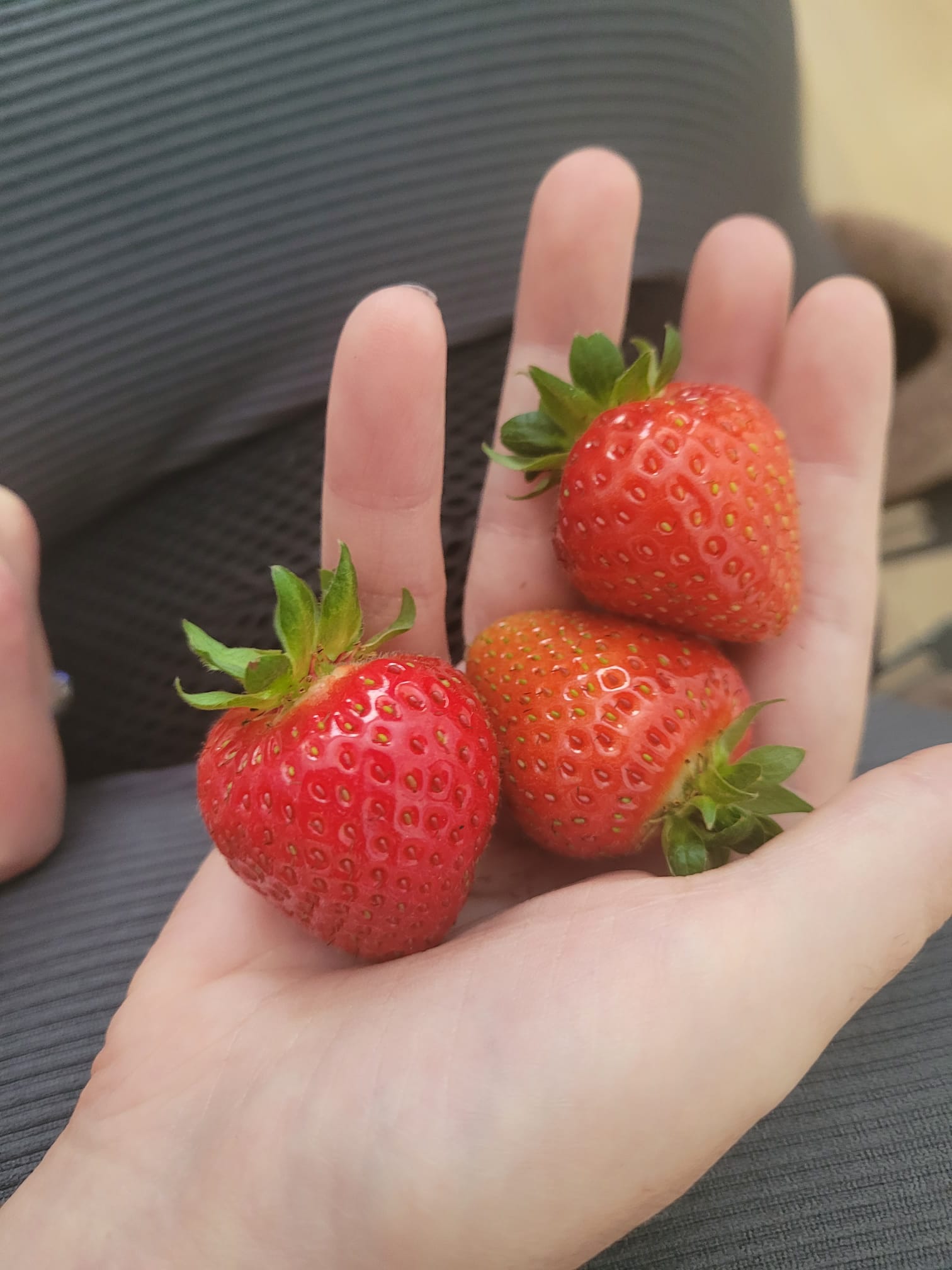

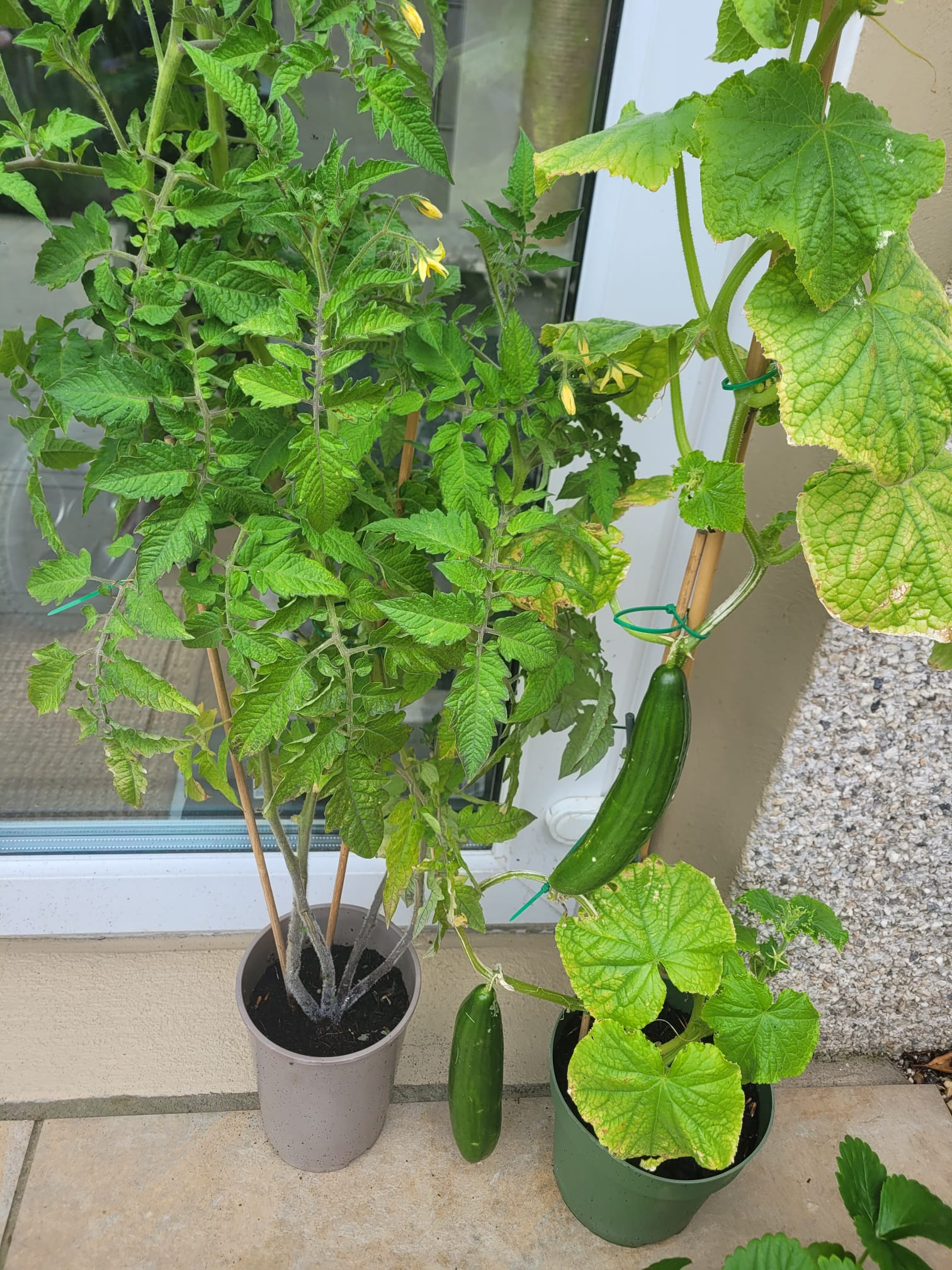
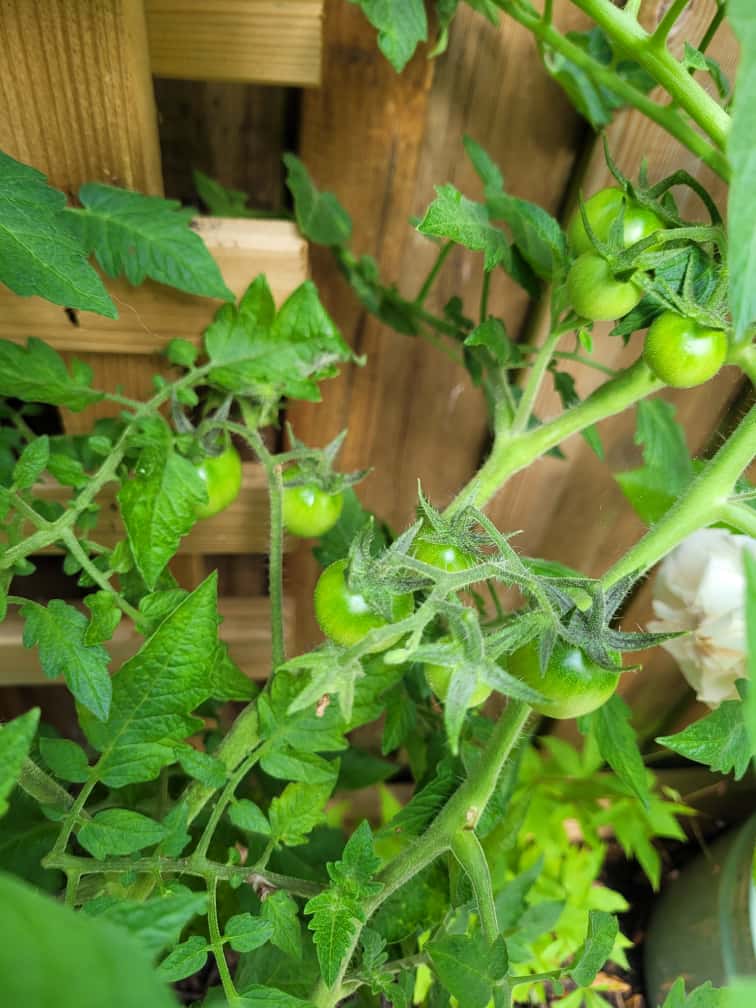
I’ve loved the entire process and have found a lot of satisfaction in growing our own. It really does taste better. I’m excited to continue this next summer and to experiment with growing different fruits and vegetables.
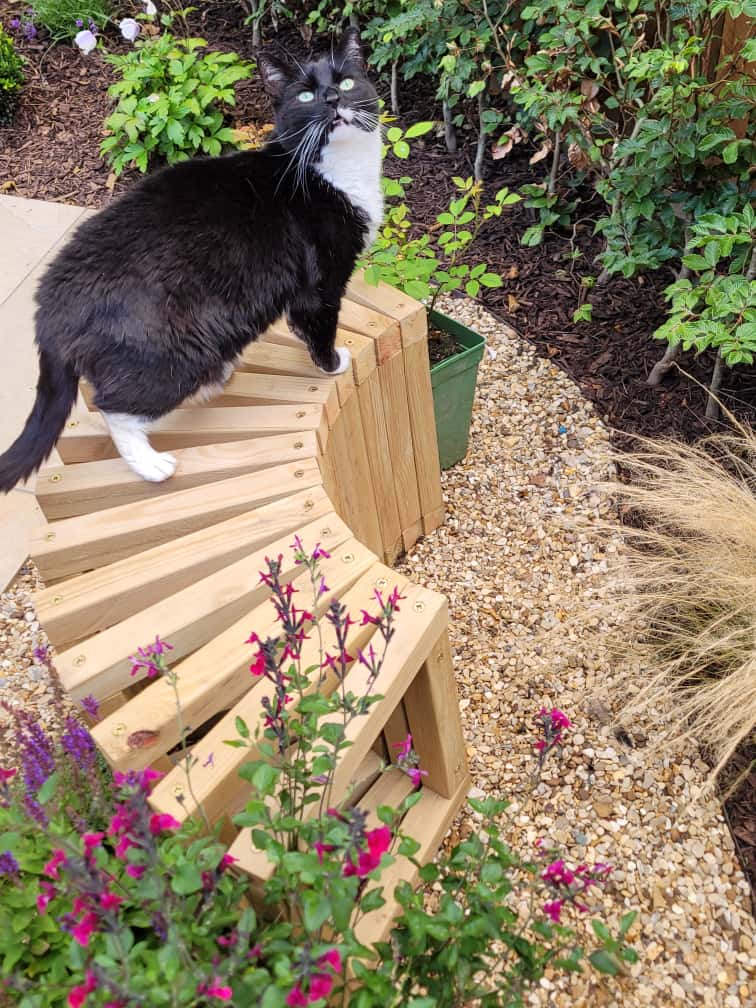
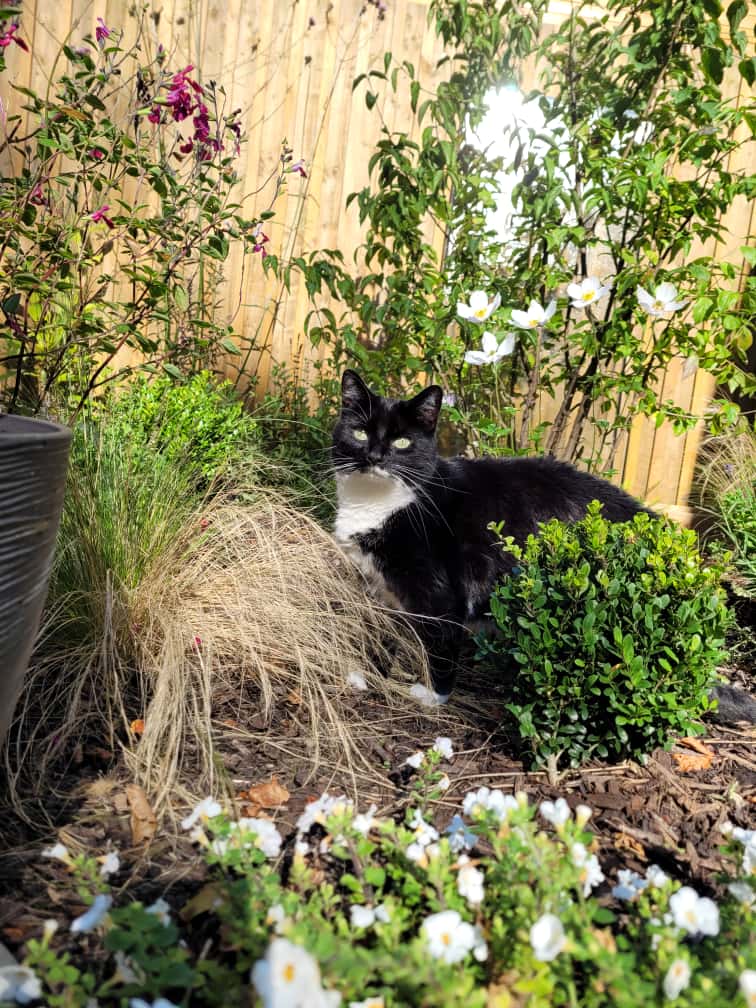
Arlo, our Cat, loves the garden too…
Our cat, Arlo, is an indoor cat but is allowed out in the back garden with us. We created an area for her at the top of the garden where she likes to sit and watch what’s going on and a shady spot where she can sleep. She absolutely loves it.
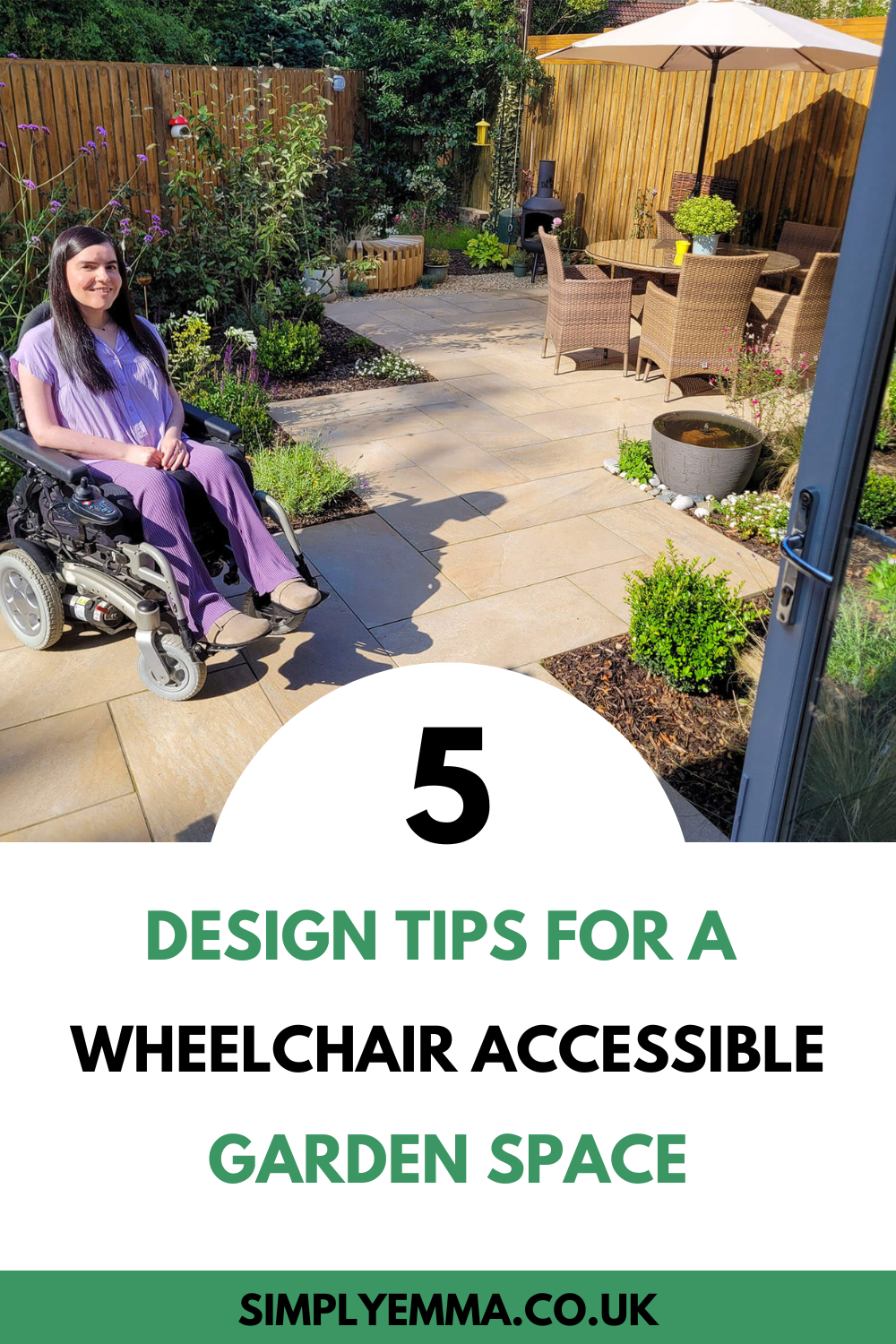
5 Tips to Create a Wheelchair Accessible Garden
We implemented the layout and all the elements from the design suggestions to create a wheelchair accessible garden that we love. Here are the main things we did and things you may want to consider when designing your own wheelchair accessible garden.
1. Paths
Since I could only access a small paved area outside the patio doors, ensuring wheelchair access throughout the garden was essential. Alan Titchmarsh’s design featured wide, staggered pathways, which added visual interest, encouraged exploration, and made our triangle-shaped garden feel larger. After researching various options, we chose beautiful non-slip porcelain paving in buff and grey tones, which turned out to be the perfect choice for our accessible garden. We absolutely love it!
2. Outdoor Lights
We wanted to enjoy our garden in the evenings, even when it gets dark during the autumn and winter months, so we went for a fire pit and added some outdoor lighting. It really helped create a nice vibe and made us feel safer, too. The main light by the house is great for seeing clearly when coming in and out at night. Plus, we’ve got some festoon string lights and stake lights in the garden that give off a soft, cosy glow. It’s beautiful and makes us want to spend more time outside!
3. Shade and Shelter
Our garden gets the sun from late morning to early evening, so it was important to have some shelter. Although Alan Titchmarsh’s design included a summerhouse, we had only recently bought a secondhand rattan table and chair set in perfect condition, so we decided to use that instead. The table’s parasol would provide us with sun protection during the peak hours in the garden. Otherwise, we would have gone for a summerhouse or pergola.
We also planted a few trees to add height and structure, as well as to help regulate temperature and provide shade. This worked really well, and I often find myself sitting next to the lovely Amelanchier lamarckii tree to hide from the sun.
4. Raised Beds and Containers at wheelchair height
Our garden design included two raised beds for vegetables and herbs. While we liked that concept, we ultimately decided against those specific spots for them. Raised beds are great for everyone, but they’re especially helpful for wheelchair users if they’re at a comfortable height. Due to my disability and not much arm strength, I can’t really get involved in planting, so we opted out of raised beds in our garden specifically for me. But I’d recommend them for those who can use their arms and love getting their hands in the dirt!
5. Sensory plants
Since I couldn’t really get my hands into planting like I wanted, we filled the garden with lots of sensory plants. We added lots of lavender, roses, and jasmine for their amazing scents, so I could enjoy them no matter where I was sitting in the garden. We also included some tall plants with textures and fragrances that I could easily reach and touch while sitting.
Additional tips for creating a wheelchair accessible garden
Here are a few more suggestions of things you could add to create a wheelchair accessible garden.
- Vertical Gardening: Add trellises or wall-mounted planters.
- Spaces to rest
- Invest in a self-watering system
- Find adaptive gardening tools
Let me know in the comments what you’d recommend for a wheelchair accessible garden.
Love what I’m doing?

If you enjoy my posts or find my content helpful, please consider supporting my work by buying me a virtual coffee. Your generous donation helps me keep sharing accessible travel tips, inspiration, reviews, and ideas for days out. I greatly appreciate any donation you can give, no matter how small!
Join the Simply Emma community
I look forward to sharing more wheelchair accessible trips with you in future blog posts, so be sure to subscribe to join the Simply Emma community and be updated with new posts.
Don’t miss a thing!
Keep up with my daily wheelchair accessible adventures in Scotland and beyond!
Follow me on Facebook | Instagram
Where Next: You Might Also Enjoy
Finding a Wheelchair Accessible Home | Our Accessible Housing Struggles
How To Make Your Home Wheelchair Accessible
9 Ways To Make Your Home More Accessible
A Molift Quick Raiser Made Daily Hoist Transfers Easy & Safe | Molift Hoist Review
Did You Enjoy ‘How We Created a Beautiful Wheelchair Accessible Garden’? Pin it!